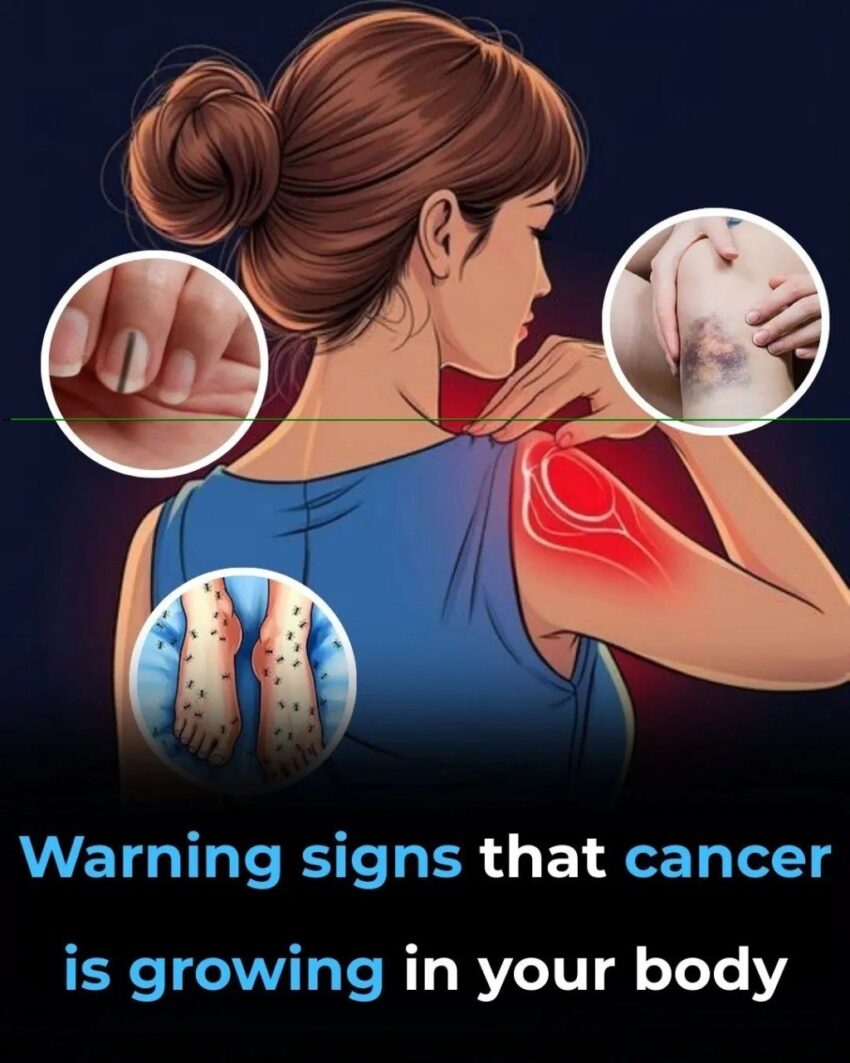
1. Persistent Fatigue
-
Why it matters: Could indicate anemia, thyroid problems, diabetes, or heart disease.
-
Action: Get a full blood panel; ensure adequate sleep and nutrition.
2. Unexplained Weight Loss
-
Why it matters: Could signal cancer, hyperthyroidism, or chronic infections.
-
Action: See a doctor promptly; track diet and weight changes.
3. Shortness of Breath
-
Why it matters: May indicate asthma, heart disease, anemia, or lung problems.
-
Action: Seek medical evaluation; note when it occurs and triggers.
4. Chest Pain or Pressure
-
Why it matters: Could be heart attack, angina, or severe lung issues.
-
Action: Call emergency services if sudden or severe.
5. Persistent Cough
-
Why it matters: Could signal infections, chronic lung disease, or cancer.
-
Action: Consult a doctor if it lasts >3 weeks, especially with blood.
6. Swelling in Legs or Ankles
-
Why it matters: May indicate heart, kidney, or liver problems.
-
Action: Elevate legs; see a doctor for evaluation.
7. Severe Headaches
-
Why it matters: Could signal migraines, high blood pressure, or neurological issues.
-
Action: Track frequency; get imaging if headaches are sudden or unusual.
8. Changes in Skin or Moles
-
Why it matters: New or changing moles may indicate skin cancer.
-
Action: Perform regular skin checks; consult a dermatologist.
9. Persistent Fever or Night Sweats
-
Why it matters: Could indicate infections, autoimmune disease, or cancer.
-
Action: Get medical evaluation if lasting >1 week.
10. Difficulty Swallowing
-
Why it matters: May signal esophageal problems or cancer.
-
Action: Avoid food that triggers discomfort; see a doctor.
11. Chronic Digestive Issues
-
Why it matters: Persistent constipation, diarrhea, or bloating could indicate GI disorders or cancer.
-
Action: Keep a symptom diary; get tested for underlying conditions.
12. Unusual Bleeding
-
Why it matters: Blood in stool, urine, or coughing up blood could indicate serious issues.
-
Action: Seek prompt medical attention.
13. Numbness or Tingling
-
Why it matters: May indicate nerve damage, diabetes, or neurological disease.
-
Action: Monitor patterns; discuss with a doctor.
14. Sudden Vision Changes
-
Why it matters: Could indicate retinal issues, stroke, or diabetes complications.
-
Action: Schedule eye examination urgently.
15. Swollen Lymph Nodes
-
Why it matters: Can signal infection or blood cancers.
-
Action: Monitor size; see a doctor if persistent.
16. Mood Changes or Depression
-
Why it matters: Could signal thyroid problems, neurological disorders, or vitamin deficiencies.
-
Action: Talk to a healthcare provider; consider mental health support.
17. Persistent Pain
-
Why it matters: Chronic unexplained pain may indicate autoimmune or cancer-related issues.
-
Action: Track patterns; get a medical assessment.
18. Bruising Easily
-
Why it matters: Could indicate clotting disorders, liver disease, or vitamin deficiencies.
-
Action: Consult a doctor if sudden or severe.
19. Persistent Coughing Blood
-
Why it matters: Could be a sign of serious lung conditions or infection.
-
Action: Emergency medical attention needed.
20. Severe or Sudden Dizziness
-
Why it matters: May indicate heart, brain, or inner ear problems.
-
Action: Seek medical evaluation; avoid driving or operating machinery.
21. Changes in Urination
-
Why it matters: Pain, blood, or frequency changes may signal kidney or urinary issues.
-
Action: Track symptoms; consult a doctor.
22. Persistent Bad Breath or Mouth Sores
-
Why it matters: Could indicate infections, dental issues, or digestive problems.
-
Action: Maintain oral hygiene; see a dentist or doctor.
23. Swelling or Pain in Joints
-
Why it matters: May signal arthritis, autoimmune disease, or infection.
-
Action: Rest, anti-inflammatory measures, and medical evaluation.
24. Recurrent Infections
-
Why it matters: Could indicate immune system deficiencies or chronic disease.
-
Action: Track infections; discuss with a doctor.
25. Unexplained Skin Rashes or Itching
-
Why it matters: May be a reaction, liver disease, or systemic illness.
-
Action: Observe triggers; see a dermatologist if persistent.
✅ Key Takeaways
-
Early detection saves lives. Don’t ignore persistent or unusual symptoms.
-
Track changes in your body systematically—notes and photos can help doctors.
-
Lifestyle changes (balanced diet, exercise, stress management) complement medical care.
If you want, I can also make a “priority list of the 10 most urgent warning signs” so you know what needs immediate medical attention versus what can be monitored. This helps cut through the overwhelm.
Do you want me to do that next?
