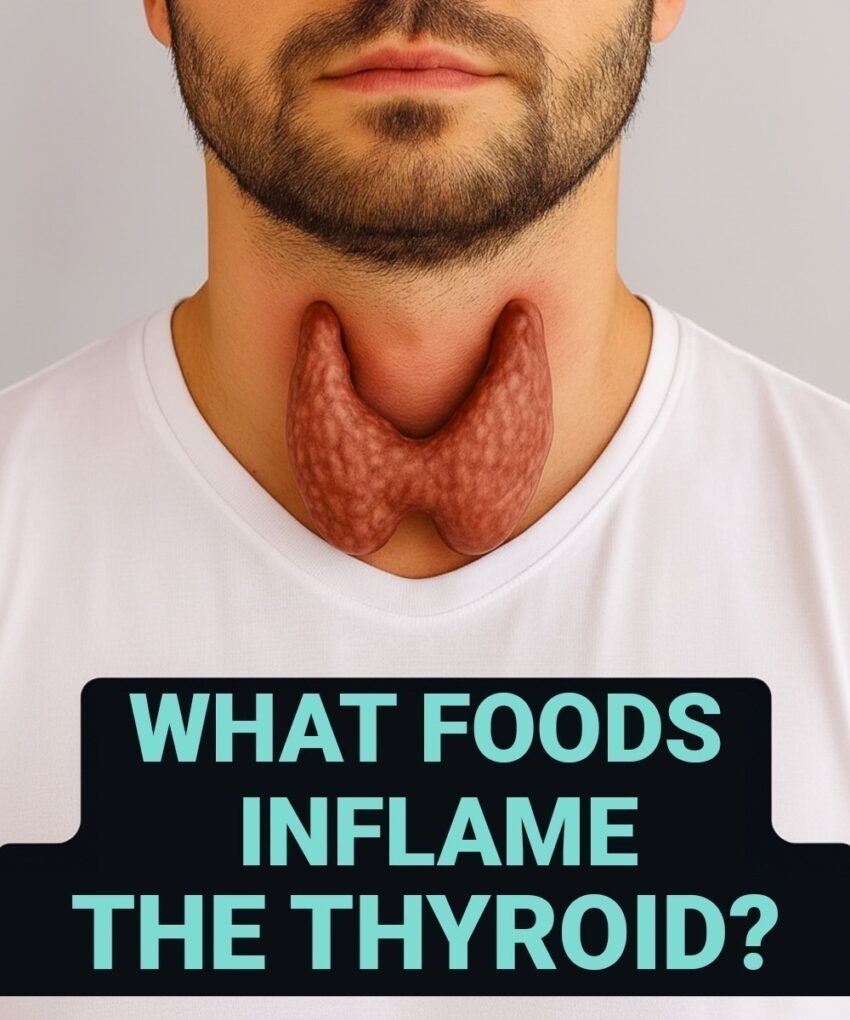
When people say “foods you should never eat”, it’s usually clickbait — most foods are fine in moderation. But nutrition science does highlight certain foods that are best avoided or limited for long-term health.
Here’s a safe, evidence-based list:
❌ Foods You Should Limit or Avoid
1. Sugary Drinks
-
Examples: Soda, energy drinks, sweetened teas, fruit punches
-
Why: High in sugar, linked to obesity, type 2 diabetes, and heart disease.
2. Processed Meats
-
Examples: Bacon, hot dogs, sausages, deli meats
-
Why: High in sodium and nitrates; linked to increased risk of colorectal cancer and heart disease.
3. Trans Fats / Hydrogenated Oils
-
Examples: Some margarine, packaged snacks, fried fast food
-
Why: Raises bad cholesterol (LDL) and lowers good cholesterol (HDL), increasing heart disease risk.
4. Highly Processed Snack Foods
-
Examples: Chips, cheese puffs, sugary cereals
-
Why: Often high in salt, sugar, and unhealthy fats; low in nutrients.
5. Refined Carbs
-
Examples: White bread, pastries, cookies, cakes
-
Why: Cause rapid blood sugar spikes; contribute to weight gain and metabolic disorders.
6. Excessive Alcohol
-
Why:** Can damage the liver, increase cancer risk, and impair judgment.
7. Artificial Sweeteners (in excess)
-
Examples: Aspartame, saccharin, sucralose
-
Why: Safe in moderation, but excessive intake may affect gut microbiome and cravings.
8. Fast Food / Deep-Fried Foods
-
Examples: French fries, fried chicken, fried snacks
-
Why: Often high in trans fats, salt, and calories; linked to obesity and heart disease.
✅ Better Approach
-
Focus on whole foods: fruits, vegetables, legumes, whole grains, lean proteins, nuts, and seeds.
-
Enjoy indulgent foods occasionally, not daily.
-
Read labels and aim for minimally processed foods whenever possible.
If you want, I can make a “Top 10 absolutely worst foods for your heart and brain” — the ones research shows are most harmful long-term.
Do you want me to make that list?
