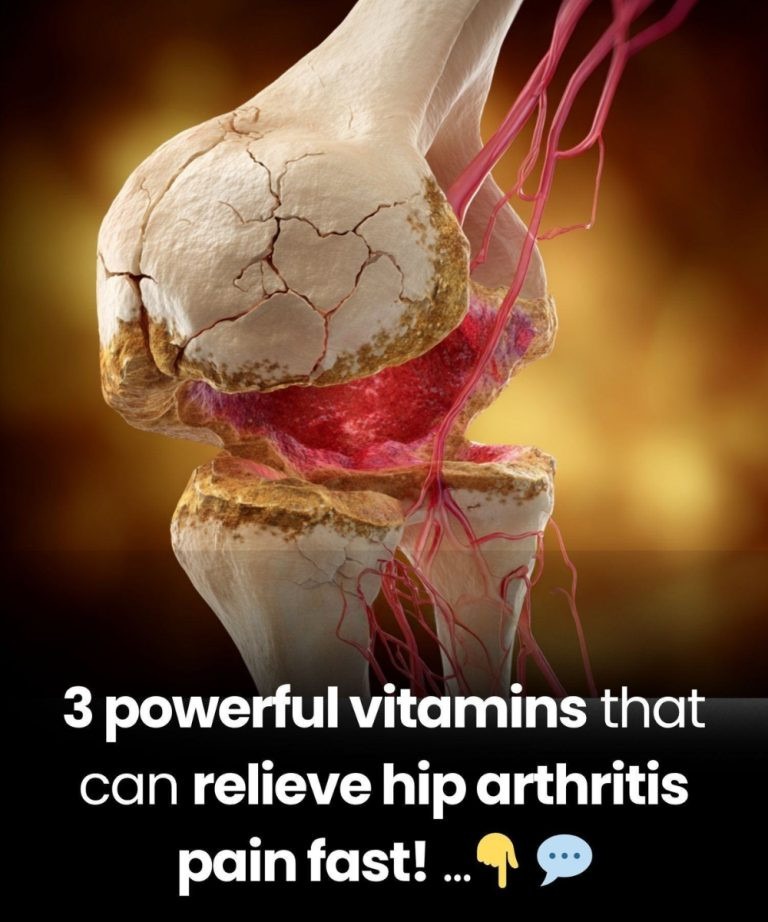
If you’re dealing with hip arthritis, finding natural ways to alleviate pain and inflammation is key to improving mobility and quality of life. While there is no cure for arthritis, certain vitamins can be incredibly effective in providing relief from pain and inflammation. Here are three powerful vitamins that can help relieve hip arthritis pain:
1. Vitamin D
Why It’s Important:
-
Vitamin D is essential for bone health and immune function, and it plays a key role in reducing inflammation. People with arthritis often have lower levels of vitamin D, and studies suggest that deficiency in this vitamin may contribute to increased joint pain and stiffness.
How It Helps with Hip Arthritis:
-
Supports Bone Strength: Vitamin D helps the body absorb calcium, essential for strong bones. In the case of hip arthritis, vitamin D ensures that your bones stay strong, potentially slowing the breakdown of the joint.
-
Reduces Inflammation: Some research shows that adequate levels of vitamin D may help reduce the inflammatory markers associated with arthritis, which can help relieve pain.
-
Improves Mobility: By supporting bone and joint health, vitamin D may help improve flexibility and range of motion, reducing pain.
How to Get It:
-
Sun Exposure: Your body produces vitamin D when your skin is exposed to sunlight.
-
Foods: Fatty fish (salmon, mackerel), egg yolks, and fortified foods like milk or cereal.
-
Supplements: If you’re not getting enough through diet or sunlight, a vitamin D supplement may be beneficial.
2. Vitamin C
Why It’s Important:
-
Vitamin C is a potent antioxidant that is well known for its ability to support the immune system. It also plays a crucial role in the production of collagen, a protein that is an essential part of cartilage, tendons, and ligaments, which are all involved in joint health.
How It Helps with Hip Arthritis:
-
Supports Cartilage Health: Vitamin C helps in the formation of collagen, which is a key component of cartilage in joints. This can be beneficial in managing hip arthritis because it helps maintain joint structure and integrity.
-
Reduces Inflammation: As an antioxidant, vitamin C helps fight oxidative stress in the body. This can reduce the chronic inflammation often associated with arthritis, which directly contributes to joint pain and swelling.
-
Promotes Healing: Vitamin C plays a role in tissue repair and helps speed up recovery, potentially reducing the severity of symptoms.
How to Get It:
-
Foods: Citrus fruits (oranges, grapefruits), strawberries, kiwi, bell peppers, broccoli, and leafy greens.
-
Supplements: If your diet lacks vitamin C-rich foods, consider a vitamin C supplement.
3. Vitamin E
Why It’s Important:
-
Vitamin E is a fat-soluble vitamin with strong antioxidant properties. It helps protect cells from damage caused by free radicals and plays a crucial role in reducing the inflammatory response in the body.
How It Helps with Hip Arthritis:
-
Reduces Joint Inflammation: Vitamin E’s anti-inflammatory properties help alleviate pain and swelling in the affected joints, which is particularly beneficial for managing hip arthritis.
-
Improves Circulation: Vitamin E can also improve blood circulation, which helps provide nutrients and oxygen to the joints, aiding in healing and reducing pain.
-
Protects Cartilage: By preventing oxidative damage to cells, vitamin E may help preserve joint cartilage, potentially slowing the progression of arthritis and easing discomfort.
How to Get It:
-
Foods: Nuts (especially almonds), seeds, spinach, broccoli, and vegetable oils (sunflower and olive oil).
-
Supplements: If you’re not getting enough from food, vitamin E supplements are widely available.
Bonus: Omega-3 Fatty Acids
While not a vitamin, omega-3 fatty acids are anti-inflammatory fats that can be incredibly beneficial for managing arthritis pain. They are found in foods like fatty fish, flaxseeds, chia seeds, and walnuts. Omega-3s can help reduce joint inflammation, improve joint lubrication, and decrease pain.
How to Use These Vitamins Effectively:
To get the most benefit from these vitamins:
-
Combine with a Healthy Diet: A diet rich in fruits, vegetables, lean proteins, and healthy fats can provide the vitamins needed for joint health.
-
Consider Supplements: If you struggle to get these vitamins through food alone, you may want to consider taking supplements. However, it’s always best to consult with a healthcare provider before starting any new supplements.
-
Consistency is Key: For vitamins like D, C, and E to have an impact on arthritis symptoms, consistency is important. Make them a regular part of your routine to experience the full benefits.
Conclusion:
Managing hip arthritis involves a combination of lifestyle changes, proper medical treatment, and natural remedies. Incorporating vitamins D, C, and E into your diet or supplement routine may help reduce inflammation, strengthen bones, and support joint health, ultimately leading to pain relief and improved mobility.
If you’re considering adding supplements or making significant dietary changes, it’s always a good idea to talk to your healthcare provider to ensure they’re the right choice for you.
Would you like more details on any of these vitamins or tips on how to incorporate them into your routine? Let me know!
