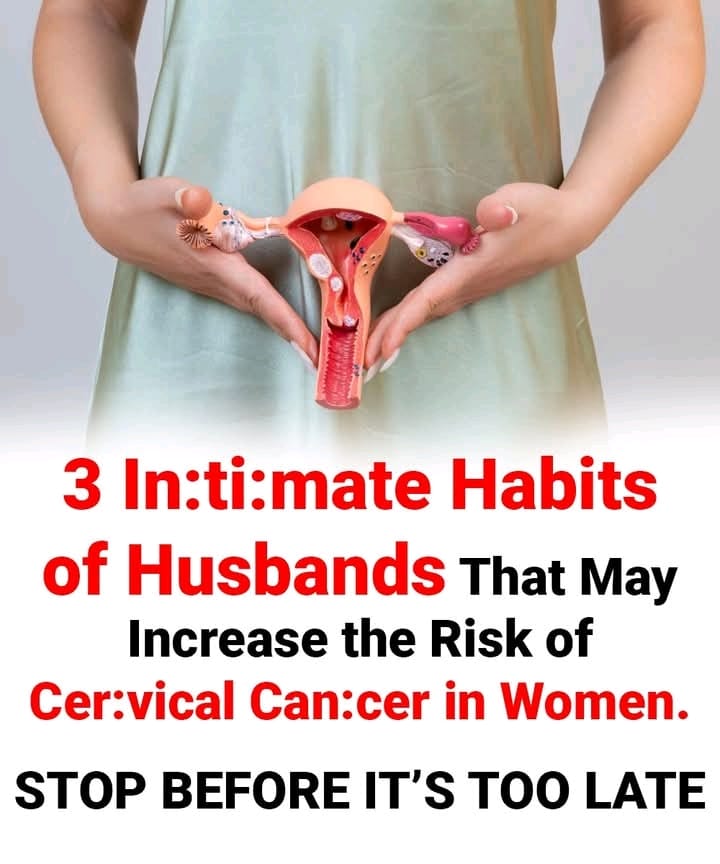
1. Poor Hygiene
-
What Happens: If a man doesn’t maintain proper personal hygiene, it can affect his partner’s intimate health. Bacteria and fungi from the genital area, sweat, or even unwashed hands can be transferred during sexual contact, leading to infections.
-
Why It’s Risky:
-
Bacterial Vaginosis (BV): Bacteria from an unclean genital area can disrupt the natural balance of bacteria in the vagina, leading to infections like BV, which causes odor, discomfort, and irritation.
-
Urinary Tract Infections (UTIs): Poor hygiene can also contribute to UTIs in women, especially if harmful bacteria are introduced into the urethra during sex.
-
Yeast Infections: Fungal infections, like candidiasis, can also be passed during intercourse. Men can carry the yeast on their skin without symptoms, unknowingly transferring it to their partner.
-
-
What to Do: Practicing regular hygiene, such as washing the genital area with mild soap and water, trimming pubic hair (if desired), and ensuring clean hands before any intimate activity, can help reduce the risk.
2. Unprotected Sex
-
What Happens: Engaging in unprotected sex (without condoms) increases the risk of both partners contracting sexually transmitted infections (STIs) and unplanned pregnancies.
-
Why It’s Risky:
-
STIs: Unprotected sex is the leading cause of STIs, such as chlamydia, gonorrhea, HPV, herpes, and HIV. Many STIs can be asymptomatic in men, meaning they may unknowingly transmit infections to their partner.
-
Cervical Cancer: Some STIs, like HPV, can increase the risk of cervical cancer in women.
-
Unplanned Pregnancy: Without protection, the risk of unplanned pregnancy is higher, which can impact a woman’s health, emotional well-being, and life plans.
-
-
What to Do: Always use condoms or another form of barrier protection to reduce the risk of STIs and pregnancy. Regular STI testing and open communication between partners are essential for maintaining sexual health.
3. Smoking or Excessive Alcohol Consumption
-
What Happens: Smoking and excessive alcohol consumption can impact both physical and intimate health, affecting not only the individual but their partner as well.
-
Why It’s Risky:
-
Smoking: Nicotine from smoking can decrease blood flow, affecting sexual performance and libido. For women, secondhand smoke can also increase the risk of cervical cancer, and it can impair fertility in both men and women.
-
Alcohol: While moderate alcohol consumption may relax inhibitions, excessive drinking can lead to erectile dysfunction, decreased sexual desire, and poor communication during intimate moments. For women, alcohol can increase the likelihood of unprotected sex and risky behaviors.
-
Vaginal Health: Both smoking and drinking can affect vaginal lubrication, leading to discomfort or pain during sex, which can strain the intimate relationship.
-
-
What to Do: Reducing or quitting smoking and drinking in moderation can improve not only overall health but also intimate health and relationship dynamics.
Conclusion
Maintaining good intimate health requires the involvement of both partners. While good hygiene, safe sex practices, and healthy lifestyle choices are essential for both men and women, certain habits—such as poor hygiene, unprotected sex, and unhealthy lifestyle choices—can negatively impact a woman’s sexual and reproductive health.
Open communication, mutual respect, and practicing healthy habits together can greatly improve both partners’ well-being and their intimate relationship.
If you’re curious about more ways to improve intimacy or health together, feel free to ask!
