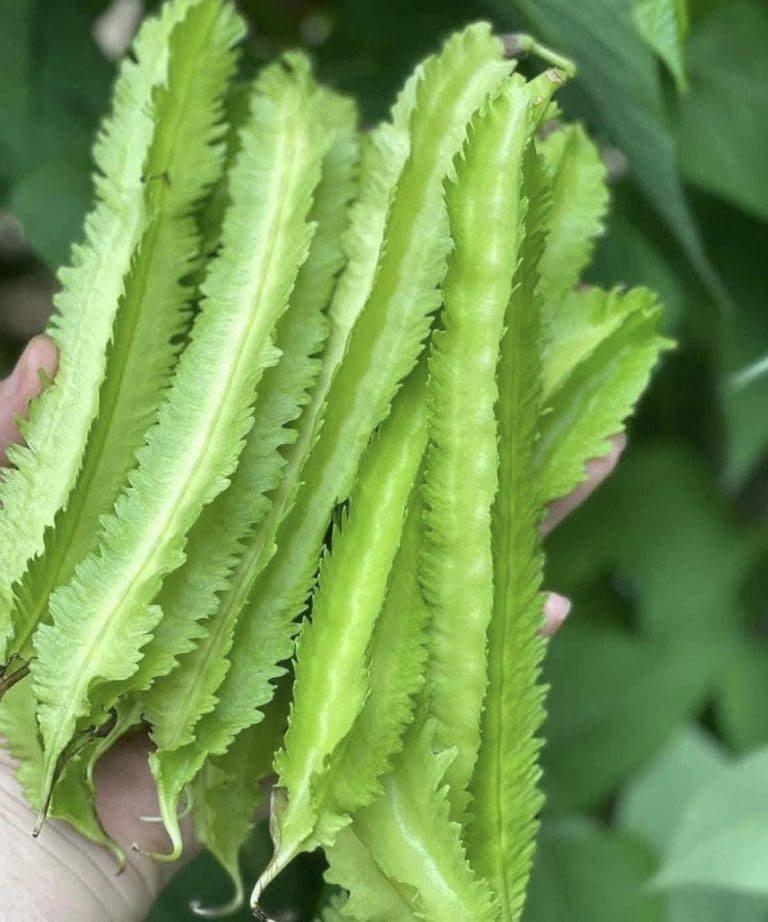
Good question. The legume Winged bean — sometimes promoted as a nutritious “super‑bean” — does have potential health benefits. But medical studies also flag several possible risks or harmful effects, especially if it’s eaten raw or improperly prepared. Here’s a summary of what “doctors” (i.e. scientific & nutrition researchers) have revealed about what winged bean can cause — or what you should be cautious about.
✅ What’s good about winged bean
-
Winged bean is very nutritious: many of its parts (pods, leaves, seeds, tubers) are edible and rich in protein, vitamins, minerals and essential amino acids — comparable to more common legumes like soy. PubMed+2Wikipedia+2
-
Some studies suggest potential health‑promoting properties: for example, one study found that extracts from the pods may have anti‑inflammatory and antioxidant effects, and could suppress growth of certain cancer cells in laboratory conditions. MDPI
-
There’s also research (in animals) showing that processed extracts from winged bean seeds might help lower blood pressure — though this is early-stage and not a guarantee for humans. PubMed+1
So winged bean can be a nutrient-dense addition to the diet — assuming it’s prepared correctly.
⚠️ Potential Risks & What “Doctors Reveal” It Can Cause
But there are some important caveats and possible downsides:
-
Digestive / gastrointestinal issues, especially if eaten raw: Raw or under‑cooked winged bean seeds contain lectins and trypsin inhibitors — compounds that interfere with digestion. Animal studies showed that raw winged bean diets caused gut enzyme dysfunction (reduced sucrase, alkaline phosphatase, other digestive enzymes), leading to impaired nutrient absorption and even growth problems in rats. PubMed+2PubMed+2
-
Toxicity if raw: One study found that feeding raw winged bean was toxic to rats (causing death after 12 days), and even cooked beans caused growth inhibition in animal models. PubMed+1
-
Risk of kidney/urinary problems for some people: Winged bean is relatively high in oxalates (naturally‑occurring compounds). For people prone to kidney stones (especially oxalate stones), consuming high‑oxalate foods can increase risk of stone formation — so caution or moderation is advised. Food Struct+1
-
Allergic reactions: As with many legumes, some people may be allergic to winged bean. In those individuals, eating it could cause rash, stomach upset, vomiting, hives, even serious allergic reactions. Food Struct+1
-
Nutrient absorption interference: The antinutritional factors (lectins, inhibitors) in raw or insufficiently cooked beans can interfere with absorption of minerals like iron, calcium, zinc, etc. ProQuest+1
🍲 What to do if you eat winged bean — and how to minimize risk
If you plan to eat winged bean, here are some guidelines to reduce the risk:
-
Always cook seeds/pods well — proper cooking reduces or destroys most of the harmful lectins and trypsin inhibitors that cause digestive problems. Wikipedia+2PubMed+2
-
Moderation is key, especially if you have kidney issues or history of stones — make sure to stay well-hydrated to help flush out oxalates.
-
If you’re allergic to legumes (beans, lentils, etc.), be cautious — winged bean could trigger allergy-like reactions.
-
Treat winged bean as a supplement to diet, not a cure-all — while there are promising early laboratory and animal studies for benefits (blood pressure, anti‑inflammatory, antioxidant), evidence in humans is limited and not definitive.
🎯 Bottom Line
Winged bean has great nutritional potential and may offer health benefits — but it’s not risk-free. Eating raw or undercooked beans can cause digestive issues, and for some people — those with allergies or prone to kidney stones — it may pose more serious risks. If you eat it, always cook it properly, eat in moderation, and treat it as part of a balanced diet.
If you like — I can check all known scientific studies on winged bean + human health, and show you a full “risks vs benefits” table. Do you want me to build that for you now?
