Here’s a comprehensive overview of mouth cancer (oral cancer), covering symptoms, causes, stages, and treatment:
Mouth Cancer (Oral Cancer)
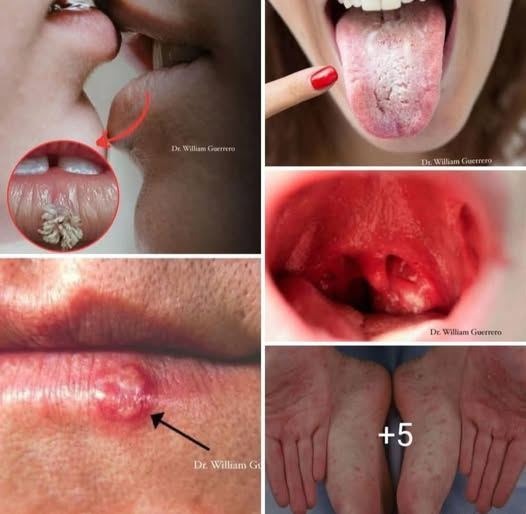
Oral cancer refers to cancer that develops in any part of the mouth or oral cavity, including the lips, tongue, gums, cheeks, floor of the mouth, hard and soft palate, and the throat (oropharynx). Early detection is critical for better outcomes.
1. Symptoms
Symptoms can vary depending on the location and stage of the cancer, but common signs include:
- Persistent mouth sores or ulcers that do not heal within 2–3 weeks
- Lumps or thickened areas in the cheek, gums, or tongue
- White or red patches inside the mouth (leukoplakia or erythroplakia)
- Pain or difficulty swallowing (dysphagia)
- Persistent pain in the mouth, jaw, or tongue
- Numbness in the tongue or other areas of the mouth
- Loose teeth without obvious dental cause
- Sores that bleed easily
- Changes in voice or chronic sore throat
- Ear pain (sometimes radiating from mouth or throat)
- Unexplained weight loss in advanced stages
2. Causes and Risk Factors
Mouth cancer develops when cells in the oral cavity undergo mutations that cause uncontrolled growth. Risk factors include:
- Tobacco use: cigarettes, cigars, pipes, and smokeless tobacco
- Excessive alcohol consumption
- Human papillomavirus (HPV) infection, especially HPV-16
- Prolonged sun exposure to lips
- Poor oral hygiene and chronic irritation from dentures or rough teeth
- Diet low in fruits and vegetables
- Age and gender: more common in men over 40
- Family history of cancer
3. Stages of Mouth Cancer
Mouth cancer is staged using the TNM system (Tumor, Node, Metastasis):
- Stage 0 (Carcinoma in situ): Abnormal cells confined to the surface layer of tissue.
- Stage I: Tumor ≤2 cm, no lymph node involvement.
- Stage II: Tumor 2–4 cm, no lymph node involvement.
- Stage III: Tumor >4 cm or spread to 1 lymph node on the same side.
- Stage IV: Tumor has invaded nearby structures, multiple lymph nodes, or distant metastasis.
4. Diagnosis
Diagnosis typically involves:
- Oral examination by a dentist or doctor
- Biopsy of suspicious lesions
- Imaging studies: CT scan, MRI, PET scan for tumor size and spread
- Endoscopy for throat/oropharyngeal involvement
5. Treatment Options
Treatment depends on the stage, location, and overall health of the patient:
a. Surgery
- Removal of the tumor and sometimes surrounding tissue or lymph nodes
- Reconstructive surgery may be necessary in advanced cases
b. Radiation Therapy
- External beam or brachytherapy to kill cancer cells
- Often used in combination with surgery or for patients who cannot undergo surgery
c. Chemotherapy
- Drugs to kill cancer cells, sometimes combined with radiation (chemoradiation)
d. Targeted Therapy
- Drugs that specifically attack cancer cell pathways (e.g., EGFR inhibitors)
e. Immunotherapy
- Boosts the body’s immune system to fight cancer in advanced cases
f. Supportive Care
- Pain management, nutritional support, speech therapy, and dental care
6. Prevention Tips
- Avoid tobacco and limit alcohol consumption
- Practice good oral hygiene
- Protect lips from excessive sun exposure
- Eat a diet rich in fruits and vegetables
- Get vaccinated for HPV (for prevention of HPV-related oral cancers)
- Have regular dental check-ups for early detection
Key Takeaways
- Mouth cancer can be life-threatening if diagnosed late, but early detection greatly improves outcomes.
- Persistent sores, lumps, or unusual patches in the mouth should be evaluated by a healthcare professional promptly.
- Lifestyle changes such as quitting tobacco and limiting alcohol can significantly reduce risk.
If you want, I can create a visual table showing mouth cancer symptoms, stages, and corresponding treatments for easy reference. It’s a useful quick guide.
Do you want me to make that?
