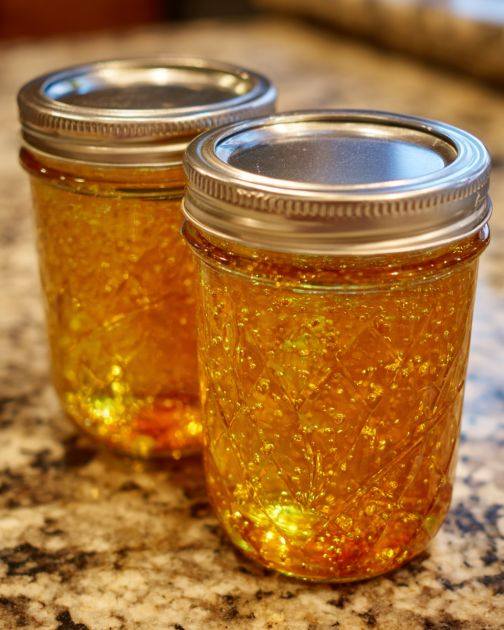
1. Types of Honey Jars
-
Classic Glass Jars:
These are the most common and often come with a twist-off lid or flip cap for easy access. Some glass jars have a honey dipper included, which makes it easier to scoop the honey without making a mess. -
Plastic Squeeze Bottles:
These are often found in grocery stores and make pouring honey super easy and mess-free. They usually come with a flip-top or a nozzle to control the flow. -
Honey Pots with Dippers:
A more decorative choice, these are often ceramic or wooden, and come with a wooden dipper that helps you collect and drizzle the honey. These are perfect for serving honey at the table, and they make an attractive addition to your kitchen. -
Honey Comb Jars:
These unique jars contain honeycomb pieces in addition to liquid honey, giving you a more rustic look and a special treat to enjoy as part of the honey. They’re great for adding a natural, unprocessed element to your meals.
2. Tips for Storing Honey
-
Keep It in a Cool, Dry Place:
Honey doesn’t spoil, but it can crystallize over time. Store your honey jar in a cool, dry place away from direct sunlight and heat. The ideal temperature is between 50°F and 70°F (10°C – 21°C). -
Don’t Refrigerate:
While it might seem like a good idea, putting honey in the fridge can make it crystallize faster. Honey should be kept at room temperature. -
Seal It Well:
Ensure the lid is tightly sealed to prevent moisture from getting into the jar, which could lead to fermentation or spoilage.
3. What to Do if Honey Crystallizes
Honey naturally crystallizes over time, especially when it’s raw or has high amounts of glucose. If this happens, don’t worry—it’s still perfectly good to eat! Here’s how to fix it:
-
Warm It Up:
Place the honey jar (without the lid) in a bowl of warm water. Heat gently by placing it in a pot of hot water or microwaving it in short bursts. The crystals will dissolve back into the liquid honey.-
Note: Avoid high heat, as it can alter the flavor and degrade some of the honey’s beneficial enzymes.
-
4. How to Use Honey
-
Sweeten Drinks:
Honey can be used in place of sugar in tea, coffee, or smoothies for a natural sweetener. -
In Baking:
Use honey in baking to add moisture and a subtle flavor. You can replace some of the sugar with honey, but since it’s sweeter, you might want to reduce the amount of other sweeteners. -
As a Natural Remedy:
Honey has antibacterial and soothing properties, making it a go-to for sore throats, coughs, and even skin wounds.-
Honey Lemon Tea: Combine hot water, lemon, and honey to help soothe your throat.
-
Honey Face Mask: Apply honey to your skin as a natural moisturizer or acne treatment. It has anti-inflammatory properties that can help with skin healing.
-
5. Honey Jar Hygiene
-
Clean Regularly:
If you use a dipper, be sure to clean it regularly to avoid sticky buildup. A quick rinse with warm water after each use will keep things fresh. -
Avoid Double Dipping:
If using a dipper, avoid dipping it back into the jar after it has been in your mouth to keep your honey free from contamination.
6. Fun Fact About Honey Jars
Did you know that in ancient Egypt, honey was considered a sacred food and used in religious offerings, as well as for medicinal purposes? Honey pots and jars have been found in tombs dating back over 3,000 years!
So, whether you’re using honey for its sweet flavor, health benefits, or just because it makes a wonderful natural sweetener, storing it properly in a nice jar can help preserve its goodness for months.
Do you have a favorite way of using honey, or perhaps a type of honey jar you’re looking for? If you’re interested in a DIY project, I can also suggest how to make a homemade honey jar or even a natural honey-based skin treatment! Let me know what you’re in the mood for! 😊
