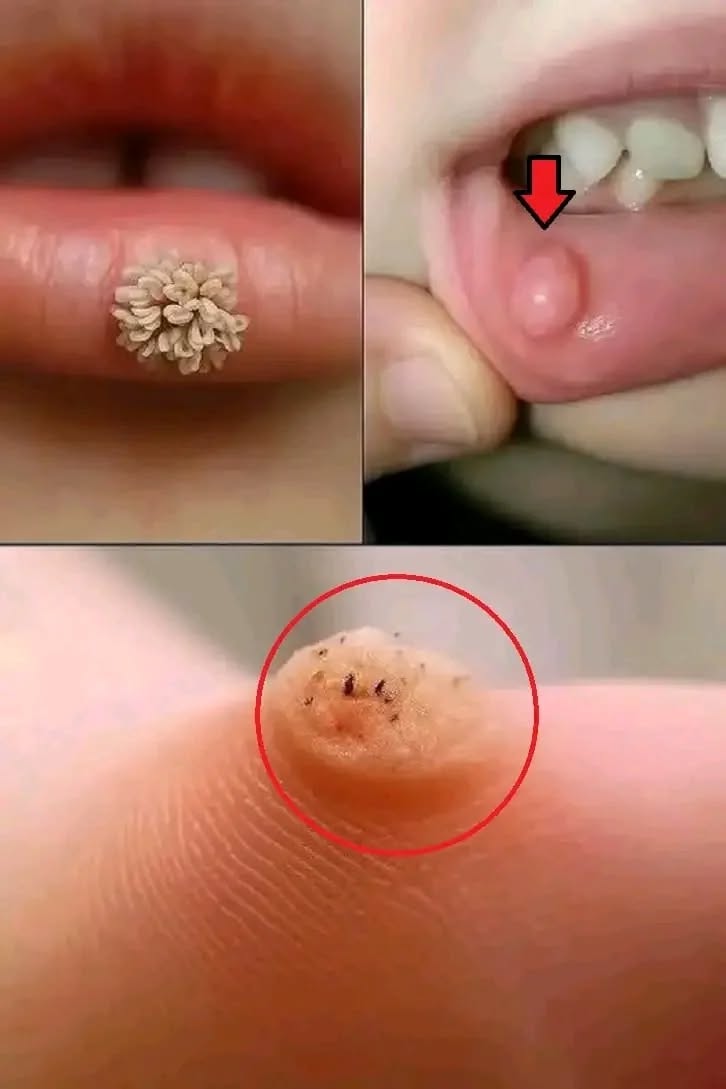
What is Mouth Cancer?
Mouth cancer, also called oral cancer, is a type of cancer that develops in the tissues of the mouth or throat. It most commonly affects the tongue, lips, gums, inner cheeks, floor of the mouth, and palate. Early detection is key to successful treatment.
Symptoms of Mouth Cancer
Early signs can be subtle, which is why awareness is crucial:
-
Persistent Mouth Sores
-
Ulcers or sores that don’t heal within 2–3 weeks.
-
-
Lumps or Thickened Areas
-
Unexplained bumps or rough patches inside the mouth, on lips, or tongue.
-
-
Pain or Discomfort
-
Pain when chewing, swallowing, or speaking.
-
-
Red or White Patches
-
Areas that are red, white, or mixed red-and-white on the gums, tongue, or cheeks.
-
-
Unexplained Bleeding
-
Bleeding from the mouth without injury.
-
-
Loose Teeth or Changes in Dentures
-
Dentures suddenly feeling uncomfortable or teeth loosening for no reason.
-
-
Numbness or Tingling
-
Persistent numbness in the tongue, lips, or other areas of the mouth.
-
-
Difficulty Moving the Jaw or Tongue
-
Stiffness, pain, or restricted movement.
-
-
Persistent Bad Breath
-
Not caused by dental hygiene, can be a subtle sign.
-
-
Swelling or Lumps in Neck
-
Enlarged lymph nodes may indicate the cancer has spread.
-
Causes and Risk Factors
Mouth cancer is caused by abnormal growth of cells in the mouth. Key risk factors include:
-
Tobacco Use: Smoking cigarettes, cigars, or chewing tobacco.
-
Alcohol Consumption: Heavy drinking increases risk, especially combined with tobacco.
-
HPV Infection: Certain strains of human papillomavirus (HPV) are linked to oral cancers.
-
Sun Exposure: Risk for lip cancer increases with prolonged sun exposure.
-
Poor Oral Hygiene: Chronic irritation from dental issues or poorly fitting dentures.
-
Age and Gender: More common in men over 40.
Stages of Mouth Cancer
Oral cancer is classified in stages 0–IV:
-
Stage 0 (Carcinoma in situ): Early abnormal cells, not spread.
-
Stage I: Small tumor (≤2 cm), no lymph node involvement.
-
Stage II: Tumor 2–4 cm, no spread to lymph nodes.
-
Stage III: Tumor >4 cm or spread to one lymph node.
-
Stage IV: Advanced cancer with spread to multiple lymph nodes or other organs.
Treatment Options
Treatment depends on the stage, location, and overall health:
-
Surgery
-
Removes the tumor and sometimes nearby lymph nodes.
-
-
Radiation Therapy
-
Uses high-energy beams to destroy cancer cells.
-
-
Chemotherapy
-
Drugs used to kill cancer cells or shrink tumors.
-
-
Targeted Therapy
-
Focuses on specific cancer cell mechanisms.
-
-
Immunotherapy
-
Boosts the body’s immune system to fight cancer.
-
-
Rehabilitation
-
Speech therapy, dental reconstruction, or nutritional support may be needed after treatment.
-
Prevention and Early Detection
-
Avoid tobacco and limit alcohol consumption.
-
Maintain good oral hygiene.
-
Get regular dental check-ups, as dentists can spot early signs.
-
Protect lips from excessive sun exposure.
-
Watch for persistent mouth changes and seek medical advice promptly.
Bottom Line:
Early detection of mouth cancer dramatically improves outcomes. If you notice persistent sores, lumps, or unusual patches in your mouth, see a healthcare professional immediately.
I can also make a visual “Mouth Cancer Quick Guide” summarizing symptoms, risk factors, and action steps in one page—it’s great for awareness or sharing.
Do you want me to create that?
