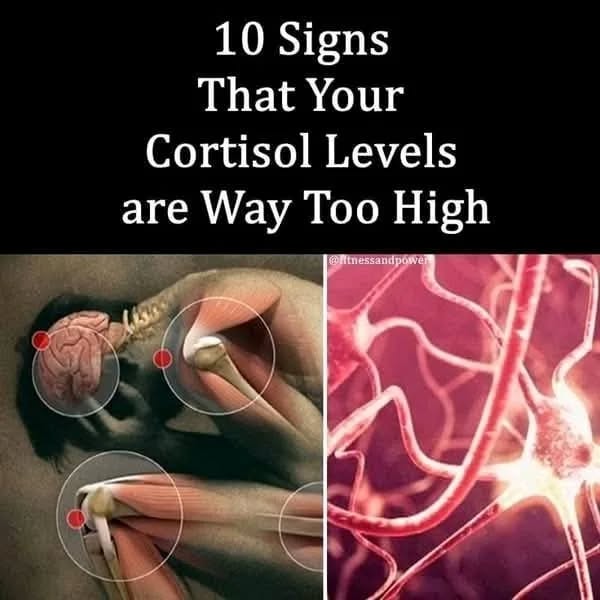
What is Cortisol?
Cortisol is often called the “stress hormone” because your adrenal glands release it in response to stress. It helps regulate:
-
Blood sugar levels
-
Metabolism
-
Immune function
-
Inflammation
-
Blood pressure
While essential in moderation, chronically high cortisol can damage your body over time.
Signs Your Cortisol May Be Dangerously High
-
Unexplained Weight Gain, Especially Around the Midsection
-
High cortisol increases fat storage in the abdomen, even if your diet hasn’t changed.
-
Often accompanied by a rounder “moon face” or fatty deposits on the upper back.
-
-
Persistent Fatigue and Trouble Sleeping
-
High cortisol can disrupt circadian rhythms, leading to insomnia or restless sleep.
-
You may feel tired but wired at the same time.
-
-
Mood Changes: Anxiety, Irritability, or Depression
-
Cortisol affects neurotransmitters like serotonin and dopamine.
-
Chronic stress can lead to heightened anxiety, irritability, or low mood.
-
-
High Blood Pressure
-
Cortisol increases sodium retention, narrowing blood vessels.
-
This can raise blood pressure and strain your cardiovascular system.
-
-
Frequent Illness or Slow Healing
-
High cortisol suppresses immune function.
-
You may get more infections, colds, or experience slow wound healing.
-
-
Brain Fog and Memory Problems
-
Excess cortisol can affect the hippocampus, the brain region responsible for memory.
-
Difficulty concentrating, forgetfulness, and “foggy thinking” are common.
-
-
Digestive Problems
-
Cortisol impacts gut motility and microbiome balance.
-
Symptoms can include bloating, constipation, or heartburn.
-
-
Skin Changes
-
High cortisol can cause thinning skin, easy bruising, and stretch marks.
-
Acne or oily skin may also flare up due to hormonal imbalance.
-
-
Increased Appetite and Sugar Cravings
-
Cortisol triggers the body to crave high-calorie foods for quick energy.
-
Often leads to overeating and weight gain.
-
-
Hair Loss or Thinning
-
Chronic stress and elevated cortisol can disrupt hair growth cycles.
-
Both men and women may notice more shedding or thinning.
-
-
Irregular Menstrual Cycles or Fertility Issues
-
In women, high cortisol can interfere with reproductive hormones.
-
In men, it may lower testosterone, affecting libido and fertility.
-
When to Seek Medical Help
If you notice multiple symptoms together, especially rapid weight gain, high blood pressure, and severe fatigue, it’s important to see a doctor. Chronic high cortisol can lead to Cushing’s syndrome and increase risks for heart disease, diabetes, and osteoporosis.
Ways to Lower Cortisol Naturally
-
Prioritize quality sleep (7–9 hours).
-
Practice stress-reducing activities: meditation, deep breathing, yoga.
-
Exercise regularly, but avoid overtraining.
-
Limit caffeine and sugar.
-
Eat a balanced diet rich in fruits, vegetables, and whole grains.
-
Build strong social connections and downtime for mental recovery.
I can also make a simple checklist of cortisol warning signs that’s easy to track daily, so you know when your stress levels might be dangerously high. It’s like a personal “stress health radar.”
Do you want me to make that checklist?
