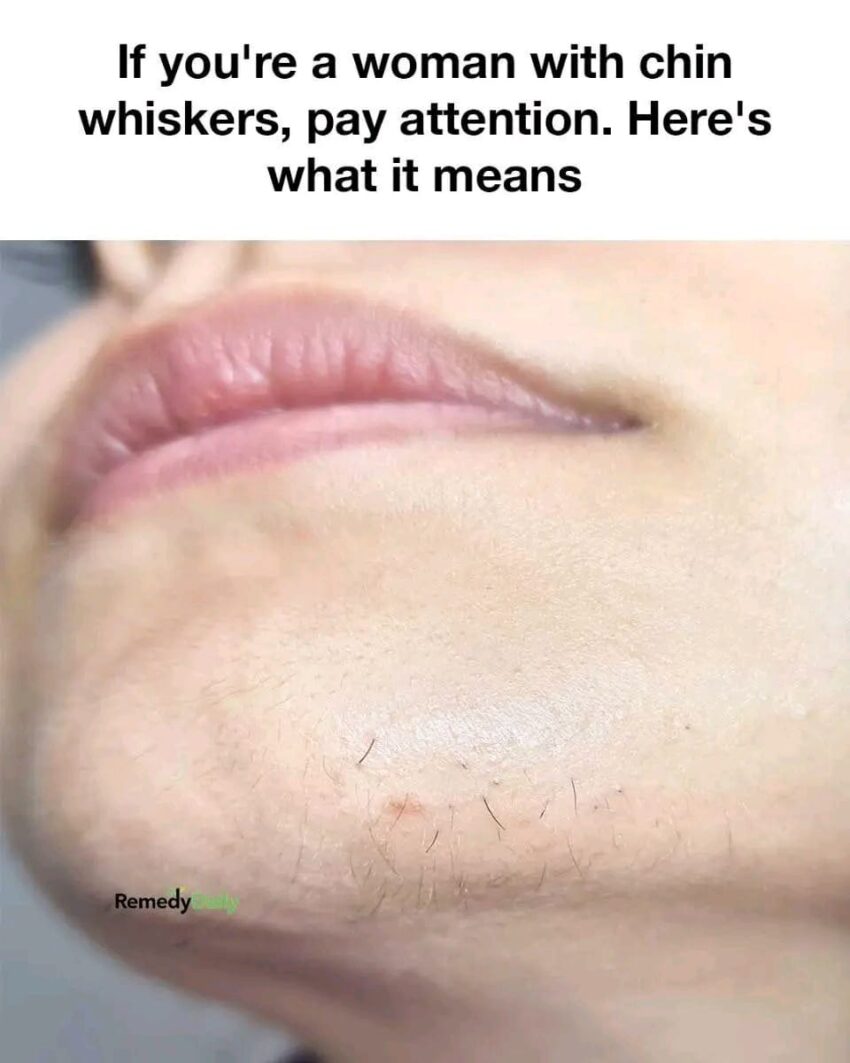
Your chin whiskers—or the hair growth around your chin—can be more than just a cosmetic feature. In some cases, changes in facial hair growth can be linked to underlying health issues or hormonal imbalances. Here’s what your chin whiskers might be telling you about your health:
1. Excessive Chin Hair (Hirsutism)
If you’re experiencing excessive hair growth on the chin, this could be a sign of hirsutism, a condition where women develop male-pattern hair growth. This is usually caused by an imbalance in hormones. Some possible causes of excessive chin hair include:
Polycystic Ovary Syndrome (PCOS):
-
What It Means: PCOS is a hormonal disorder that affects many women of reproductive age. One of the symptoms is elevated androgen levels (male hormones), which can lead to excessive hair growth on the chin, upper lip, and other areas.
-
Other Symptoms: Irregular periods, acne, thinning hair on the scalp, and ovarian cysts.
Hormonal Imbalance:
-
What It Means: An imbalance between estrogen and testosterone levels can lead to the development of facial hair. This imbalance could be a result of age, menopause, or other medical conditions that affect hormone production.
-
Other Symptoms: Acne, deepening voice, or changes in menstrual cycles.
Adrenal Gland Disorders (e.g., Cushing’s Syndrome):
-
What It Means: Overproduction of testosterone or cortisol (a stress hormone) from the adrenal glands can lead to symptoms of hirsutism, including excessive chin hair.
-
Other Symptoms: Weight gain, thinning skin, easy bruising, and high blood pressure.
What to Do:
-
If you notice significant changes in facial hair growth, it’s a good idea to consult a healthcare provider. Hormonal tests, along with a physical exam, can help determine the underlying cause. Treatment options may include medications (such as hormonal therapies) or hair removal methods.
2. Patchy or Thinning Chin Hair
If your chin whiskers are patchy, thin, or not growing as they once did, this might point to nutrient deficiencies or underlying health conditions.
Vitamin Deficiencies:
-
What It Means: A lack of certain vitamins and minerals—such as biotin, vitamin D, or zinc—can negatively impact hair growth, including facial hair. If you’re deficient in these nutrients, you may notice that your chin hair becomes sparse or stops growing altogether.
-
What to Do: Boosting your diet with biotin-rich foods (like eggs, nuts, and avocados), vitamin D (from sunlight or foods like fatty fish), and zinc (found in beans, nuts, and whole grains) may help improve hair growth.
Thyroid Issues (Hypothyroidism):
-
What It Means: Hypothyroidism (an underactive thyroid) can cause hair thinning, including on the chin. When the thyroid is not producing enough hormones, the body’s metabolism slows down, and hair growth may be affected.
-
Other Symptoms: Fatigue, weight gain, dry skin, and constipation.
-
What to Do: A blood test can check your thyroid levels. If hypothyroidism is diagnosed, medication (like levothyroxine) can help restore normal thyroid function and improve hair growth.
3. Changes in Chin Hair During Pregnancy or Menopause
Hormonal fluctuations during pregnancy or menopause can lead to changes in chin hair growth.
Pregnancy:
-
What It Means: Pregnancy often results in significant hormonal shifts, which can increase the production of androgens (male hormones). This may lead to temporary hair growth on the chin or other areas.
-
What to Do: For many women, this facial hair growth resolves after pregnancy. However, if it persists, consulting a healthcare provider may be helpful.
Menopause:
-
What It Means: As women age and enter menopause, estrogen levels decline, leading to an increase in testosterone relative to estrogen. This can result in more noticeable chin whiskers or facial hair growth, as well as thinning of the hair on the scalp.
-
What to Do: If you’re experiencing these changes, discussing hormone replacement therapy (HRT) with your doctor might help balance hormones and reduce symptoms.
4. General Health and Well-Being
Changes in chin whiskers can sometimes be linked to overall health and lifestyle factors. Here’s what could affect facial hair growth:
Stress:
-
What It Means: High levels of chronic stress can lead to the overproduction of cortisol, the stress hormone. Over time, this can cause hair thinning or thinning facial hair in some people.
-
What to Do: Managing stress through techniques like meditation, exercise, and adequate sleep can improve overall health and support hair growth.
Medications:
-
What It Means: Certain medications, such as steroids or hormonal treatments, may have side effects that alter facial hair growth.
-
What to Do: If you’re taking any medications and notice changes in your chin whiskers, consult your healthcare provider to see if it could be related.
5. Genetics
Finally, your genes play a big role in how much facial hair you grow. If your family has a history of facial hair growth or other hair-related traits, you might simply be following in those footsteps.
Conclusion
Chin whiskers and facial hair growth can reveal important clues about your health, from hormonal imbalances to nutrient deficiencies. Changes in facial hair growth should not be ignored, especially if the changes are sudden or excessive.
If you notice significant changes in your chin whiskers or overall facial hair, it’s important to consult with a healthcare provider. Hormonal tests, blood work, or physical exams can help determine if there’s an underlying condition that needs attention.
Would you like more details about any of these possible health connections or tips for managing chin whisker growth? Let me know!
